Leaking Ceiling Repair in Houston, TX
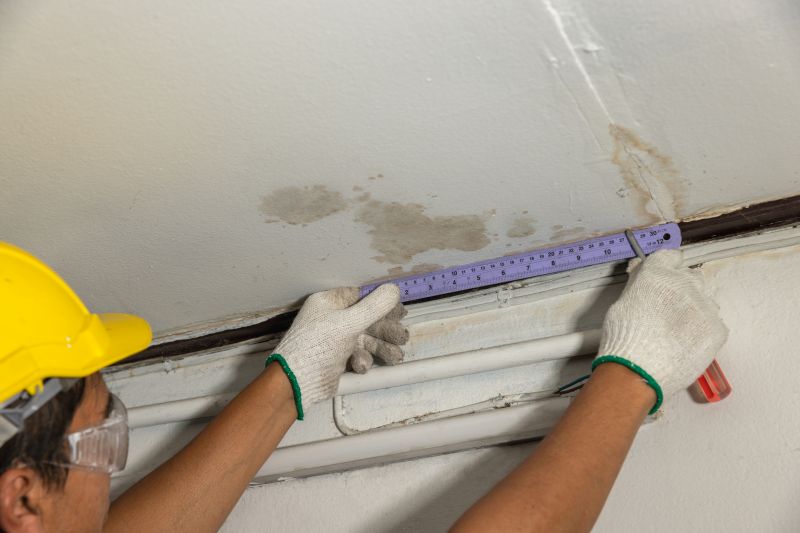
Leaking ceiling repair services address issues where water infiltration causes damage to ceiling surfaces, often resulting in stains, sagging, or structural concerns. This type of service covers a range of projects, including fixing leaks originating from roof penetrations, plumbing systems, or HVAC components. Property owners typically seek this service to restore the appearance of their interiors, prevent further water damage, and maintain the integrity of their ceilings and underlying structures.
Before requesting leaking ceiling repairs, homeowners usually want to understand the source of the leak, the extent of the damage, and the necessary repairs to prevent future issues. It’s important to identify whether the leak is a one-time problem or part of a recurring issue, and to know if additional repairs to roofing, plumbing, or insulation are needed. Clear communication about the scope of work and potential costs can help property owners make informed decisions about restoring their ceilings effectively.
Many property owners in Houston, TX look into Leaking Ceiling Repair for repairs, replacements, upgrades, and appearance-related improvements.

Identifying Ceiling Leaks
Understanding common signs of ceiling leaks helps homeowners address issues early.
Common Causes Of Ceiling Damage
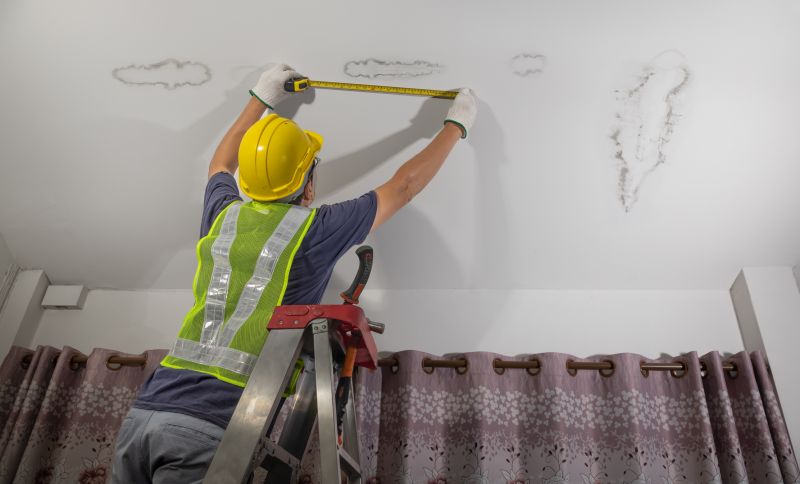
Roof leaks, plumbing issues, and hvac condensation are frequent sources of ceiling water damage.
Repair And Prevention Tips
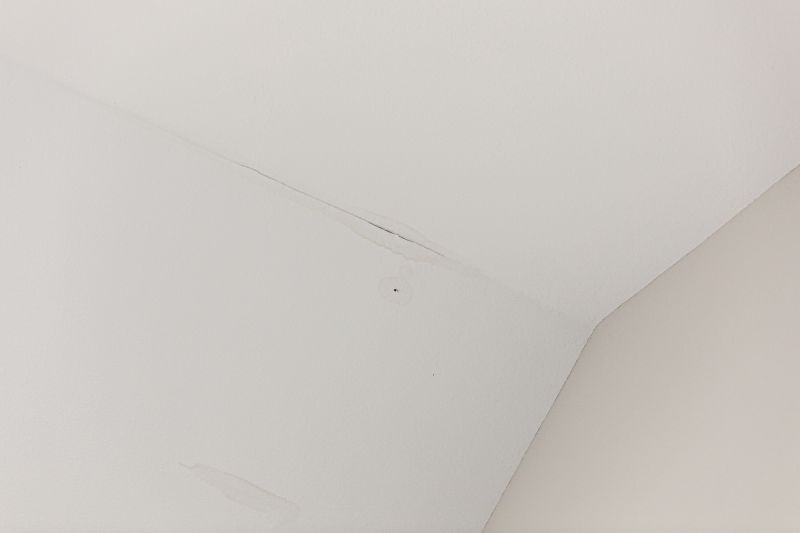
Prompt repairs and regular inspections can prevent further damage and preserve ceiling integrity.
Leaking Ceiling Repair in Houston, TX

Leaking ceiling repair services address issues where water infiltration causes damage to ceiling surfaces, often resulting in stains, sagging, or structural concerns. This type of service covers a range of projects, including fixing leaks originating from roof penetrations, plumbing systems, or HVAC components. Property owners typically seek this service to restore the appearance of their interiors, prevent further water damage, and maintain the integrity of their ceilings and underlying structures.
Before requesting leaking ceiling repairs, homeowners usually want to understand the source of the leak, the extent of the damage, and the necessary repairs to prevent future issues. It’s important to identify whether the leak is a one-time problem or part of a recurring issue, and to know if additional repairs to roofing, plumbing, or insulation are needed. Clear communication about the scope of work and potential costs can help property owners make informed decisions about restoring their ceilings effectively.
Many property owners in Houston, TX look into Leaking Ceiling Repair for repairs, replacements, upgrades, and appearance-related improvements.
Common Leaking Ceiling Repair Jobs
Ceiling leak repairs involve identifying and sealing sources of water intrusion to prevent further damage.
Water damage restoration includes drying and repairing ceilings affected by leaks.
Ceiling patching and sealing addresses cracks and holes caused by water infiltration.
Leak detection services locate hidden plumbing or roof leaks that cause ceiling damage.
Roof leak repairs focus on fixing roofing issues that lead to ceiling water intrusion.
Structural repair services restore weakened ceiling frameworks caused by prolonged water exposure.


Leaking Ceiling Repair Questions
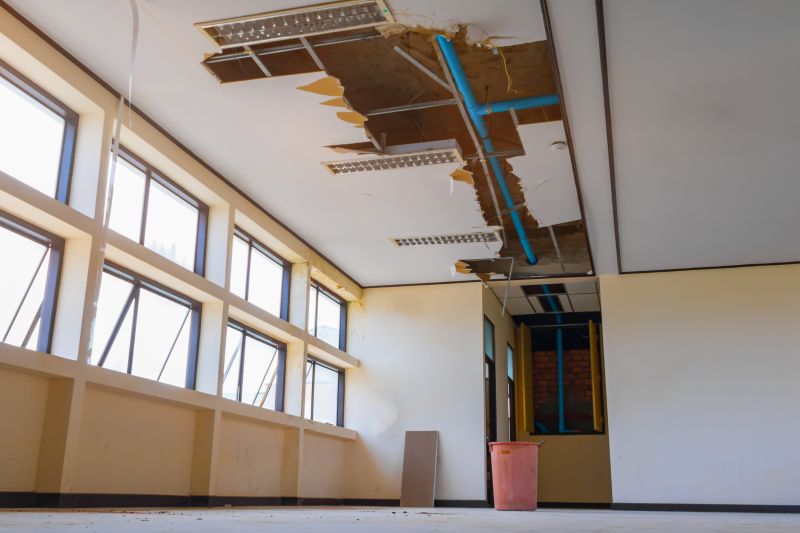
What causes a ceiling to leak? Leaking ceilings often result from roof damage, plumbing issues, or HVAC condensation problems.
How can I tell if my ceiling is leaking? Signs include water stains, sagging drywall, peeling paint, or musty odors in the area.
What types of ceiling repairs are common? Repairs may involve patching water stains, replacing damaged drywall, or addressing underlying leaks.
Is it possible to prevent ceiling leaks? Regular roof inspections, plumbing maintenance, and addressing minor issues early can help prevent leaks.
Request Leaking Ceiling Repair in Houston, TX
Use the quote form on this page to share the basics of your project and request more information for the type of work you need.